
Advanced Gym Management
Software
To manage and scale your business

Trusted by 3000+ Gym Owners
- No Credit Card Required
- Cancel Anytime

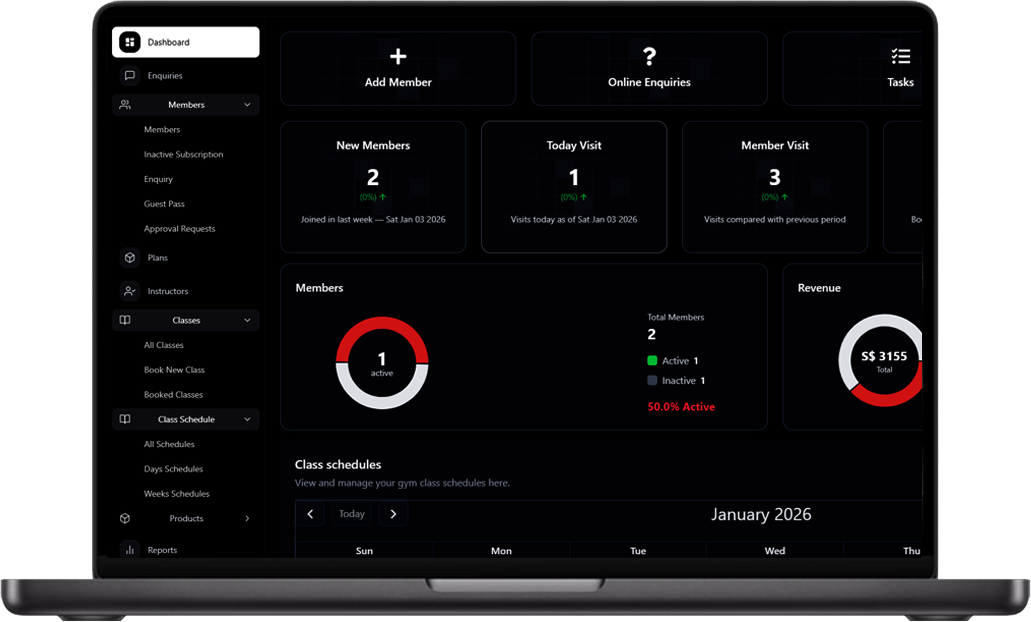
Dashboard KPI
Fit27 is an all-in-one gym and fitness management software designed to simplify operations for gyms, fitness studios, personal trainers, and wellness centers. Built for modern fitness businesses, Fit27 helps manage memberships, billing, attendance, trainers, and client engagement from a single, powerful platform.
Whether you run a single gym or multiple fitness locations, Fit27 scales with your business—helping you save time, increase efficiency, and focus on what matters most: delivering better fitness experiences.
New Members This Month
New Members This Month shows how many new members have joined your gym during the current month and compares it against the same period from the previous month. This KPI helps you measure the effectiveness of your marketing, promotions, and member acquisition efforts.

Calculation Logic & How to Use This Metric
Track Membership Growth Trends
Whether member sign-ups are increasing or decreasing
Measure Promotion & Campaign Effectiveness
How well current promotions, campaigns, or referral programs are performing
Identify Seasonal Patterns in Sign-Ups
Seasonal or behavioral trends in membership growth
Know When to Take Action to Boost Acquisition
When to take action to boost acquisition (e.g., ads, offers, outreach)
Visits Today
Visits Today displays the total number of successful member check-ins recorded today and compares it against the same time on the previous day. This metric helps you track how active and engaged your members are on a daily basis.

What This KPI Tells You
Track Daily Visit Activity
Monitor how many members are checking in throughout the day and see real-time visit counts to understand today’s activity levels and gym traffic.
Measure Member Engagement & Returning Behavior
Identify how actively members are using your facility—see whether members are returning consistently, indicating good satisfaction and engagement.
Identify Peak Hours & Low Footfall Patterns
Recognize when your gym is most crowded and when traffic slows down. These insights help you optimize staff duty timings, trainer allocations, and class scheduling.
Know When to Trigger Re-Engagement Actions
If visits drop below expected levels, it signals the need to take action—such as sending reminders, follow-up messages, or limited-time offers to encourage inactive members to return.
Member Visits This Month
Member Visits This Month displays the total number of member check-ins recorded since the start of the current month and compares it against the same period from the previous month. This KPI helps gauge overall member activity, motivation, and facility usage at a monthly level.

What This KPI Tells You
Understand Monthly Traffic Levels
Track the overall number of member visits this month to understand how frequently your gym is being used. This gives you a high-level picture of facility activity and helps you compare whether this month is busier or slower than the previous month.
Measure Consistency in Member Engagement
Identify how often members are returning throughout the month and whether they are maintaining a regular workout schedule. A decline in repeat visits may indicate falling motivation, member dissatisfaction, or potential churn — allowing gym owners to intervene early.
Spot Monthly Usage Trends
Analyze monthly behavior patterns such as seasonal spikes (e.g., New Year fitness rush), mid-month plateaus, end-of-month declines, or increases driven by special offers or events. These insights help forecast future demand and plan class schedules and staffing more effectively.
Know When to Encourage Activity
If monthly visit numbers begin to drop, this KPI signals the right time to take action — such as sending motivational reminders, scheduling follow-ups, launching a challenge, or offering promotions to re-activate less-engaged members before they churn.
Bookings This Month
Bookings This Month shows the number of class bookings, personal training session bookings, or scheduled appointments made since the beginning of the current month. This KPI compares bookings against the same period from the previous month to help you understand changes in participation, class demand, and booking behavior.

What This KPI Tells You
Understand Class & Session Demand
Analyze which classes, appointment types, or personal training sessions members are booking the most this month. This helps you clearly see what your members prefer — such as popular time slots, trending activities, or trainer-led sessions — allowing you to allocate resources where they matter most.
Measure Participation Rates Over Time
Monitor how frequently members are booking and attending scheduled sessions. Increasing bookings indicate high engagement and satisfaction, while decreasing bookings may signal reduced motivation or early signs of member churn. Tracking this metric over time helps maintain healthy participation levels.
Spot Booking Trends & Behavior Patterns
Observe when bookings occur most often — for example, beginning-of-month fitness pushes, pre-weekend spikes, or post-festival drop-offs. Recognizing these behavior patterns enables smarter planning around class frequency, trainer schedules, marketing campaigns, and special programs.
Know When to Boost Engagement
If the number of bookings begins to decline, this KPI serves as an early warning. It signals when to launch engagement actions — such as sending booking reminders, offering exclusive class passes, creating attendance challenges, or updating the class timetable — to bring members back into structured workouts before their interest fades.
Online Signups This Month
Online Signups This Month shows the total number of new members who registered digitally through the website or mobile app during the current month. This metric is compared against the same period in the previous month to measure online conversion performance.

What This KPI Tells You
Digital Signup Volume
This tells you how many new members are joining your gym through online channels such as the website signup form, mobile app, or QR signup links. Tracking this volume helps you understand how strong your online presence is and how many customers prefer a digital onboarding experience over walk-in registration.
Effectiveness of Marketing Campaigns
Online signups often come from campaigns—social media ads, referral programs, influencer posts, WhatsApp promotions, Google Ads, or website banners. This KPI helps you measure whether those efforts are actually converting into paying members. If signups increase after a campaign launch, you know it’s working; if not, it may require adjustments.
Customer Behavior Patterns
Monitoring this KPI over time helps reveal when people are most likely to sign up digitally—for example, during weekends, at the beginning of the month, in the New Year season, or right after a fitness challenge announcement. Recognizing these behavior patterns helps you schedule marketing activities at the most impactful times.
When to Act
A downward trend in online signups signals the need to take action. That may include launching promotions, offering discounts, updating the landing page CTA, simplifying the signup steps, or sending targeted follow-ups. Taking action early prevents missed opportunities and helps maintain a healthy flow of new digital members.
Online Bookings This Month
Online Bookings This Month displays the total number of bookings made through digital channels — such as the website booking form or mobile app — since the beginning of the current month. This KPI compares online booking activity against the same time period from the previous month, helping you understand how members are interacting with your gym digitally.
What This KPI Tells You
Digital Booking Activity
Understand the volume of bookings coming exclusively from online channels. This helps you evaluate the level of member engagement through your digital platform versus in-person or manual booking.
Adoption of Online Tools
If online booking numbers are consistently rising, it shows your members find digital scheduling convenient and are actively using the web or app to plan their sessions. A decrease may signal confusion in the booking flow or lack of awareness — requiring UX or communication improvements.
Booking Behavior Trends
Certain weeks or seasons may show booking spikes — for example, start-of-month motivation, weekend workout planning, or post-promotion boosts. Identifying these patterns enables smarter scheduling, marketing timing, and trainer availability planning.
When to Improve Booking Engagement
If digital bookings decline, it may be the right time to:
Send booking reminders via SMS/app notifications
Offer booking-based reward programs
Add fresh classes or time slots
Highlight the booking option more clearly on the website/app
Members Breakdown
Fit27 categorizes members based on their current status — Active or Inactive — and counts how many users fall into each group. This is done by grouping the status field in the member database and returning the total number associated with each status.

What This KPI Tells You
Overall Membership Health
This shows whether your gym is operating with a large active base or if many memberships have lapsed. It’s a quick way to gauge performance without diving into reports.
Retention & Renewal Pressure
Upcoming renewal numbers reveal how many members need outreach — SMS reminders, app notifications, or offers — to prevent churn.
Acquisition vs. Attrition
If “new members” is lower than “expired members,” your gym is shrinking. If it’s higher, your growth trajectory is positive.
Churn Warning Signals
A sudden spike in expired or frozen members signals dissatisfaction, seasonal slowdown, or external issues — helping you act early.
Revenue Breakdown
Revenue Breakdown is essential for fitness businesses that sell multiple items and services — memberships, supplements, merchandise, classes, personal training sessions, etc.
It gives owners clarity on where money is actually coming from.

What This KPI Tells You
Which Sales Channel Is Most Profitable
This KPI helps you instantly identify where your highest earnings are coming from. Whether it’s online purchases through your website/app or physical sales at the gym reception, this insight allows you to see which channel contributes the most revenue — helping you prioritize focus, staffing, and marketing around the most profitable stream.
Digital vs Physical Conversion Insight
By comparing online revenue to offline sales, you can understand how effectively members are using digital checkout options versus buying in-person. A higher digital conversion rate may indicate strong online UX and convenience, while low digital numbers may reveal friction in the online purchasing process.
Revenue Strategy Guidance
If online revenue is significantly low, it may mean one of the following:
Members are unaware of online purchase options
The online product or membership listing is unclear or unattractive
Website/app checkout flow needs improvement
Marketing and CTAs are not compelling enough
This KPI signals when to enhance digital offerings — such as running promotions, improving UI, or adding product bundles — to increase online revenue contribution.
New Income Opportunities
Understanding revenue by source helps you discover areas where revenue could be increased with minimal effort — for example:
Offering supplements or merchandise at the POS counter
Upselling personal training packages during check-ins
Highlighting seasonal offers digitally
Promoting class add-ons or challenges online
This metric acts as a roadmap for revenue growth, showing where investment (even small) can result in major returns.
Retention Rate
Retention Rate measures how many existing members are still actively using your gym and maintaining their membership over time. It helps determine whether your gym is successfully keeping users engaged, satisfied, and continuously renewing.

What This KPI Tells You
Member Loyalty Strength
This reflects how committed members are to your gym over time. If a large percentage of members remain active month after month, it shows that they see value in your services, enjoy their experience, and feel motivated to keep coming back. High loyalty indicates strong relationships, community-building, and well-designed member offerings.
Renewal & Engagement Success
Retention demonstrates how effective your gym is at keeping people engaged after their initial signup. If members are renewing consistently, it means your renewal reminders, SMS follow-ups, WhatsApp campaigns, onboarding flow, trainer interactions, and class experiences are working. A strong engagement system keeps members involved before they even think of canceling.
Warning Signals of Churn
When retention drops, it is an early warning sign that members may be becoming inactive, losing interest, or feeling disconnected from your gym. This helps you spot problems before members cancel — whether it’s lack of timely communication, poor experience, pricing concerns, training dissatisfaction, or external seasonal reasons. You can take proactive steps like check-in calls, exclusive reminders, offers, or trainer attention to pull them back in.
Long-Term Business Stability
Retention is directly tied to financial stability. A gym with high retention doesn’t rely heavily on constant new signups to survive. Members who stay longer generate recurring monthly or yearly revenue and are more likely to purchase additional services like personal training, supplements, or merchandise. Low retention means you’re always trying to replace lost members — which increases cost, pressure, and slows long-term growth.
Check-Ins
Check-Ins displays the number of member entries recorded at your gym over the past 7 days. This helps gym owners monitor short-term attendance, identify daily member activity patterns, and understand which days experience higher or lower footfall.c

What This KPI Tells You
Daily Member Activity
This insight allows you to see exactly how many members are attending the gym on each day of the week. It helps you understand usage peaks and slower days so you know when the gym is busiest and when footfall is naturally low.
Engagement Patterns
By observing which days consistently receive more check-ins, you can identify behavioral trends — for example, members might prefer weekday morning workouts, weekend evenings, or may attend more right after salary credit cycles. Understanding these patterns helps you align programs and marketing with actual member habits.
Attendance Declines
If check-in numbers suddenly drop compared to previous days, it may signal that members are losing motivation or facing challenges. It could also indicate seasonal effects such as festivals, weather conditions, exams, or holidays. Noticing this early allows you to take preventive actions, like sending motivational push notifications or offering attendance-based challenges.
Staff & Trainer Allocation
Enquiries
Enquiries allow members or staff to report issues, ask questions, or request assistance regarding anything within the system. This feature helps gym teams respond faster, track problems, assign responsibility, and maintain a clear support trail.
Both members and staff can create enquiries. Staff can also assign an enquiry to another team member for resolution, ensuring accountability and smooth internal communication.

What This KPI Tells You
Track Member Complaints, Issues, or Questions in One Organized Location
Instead of handling concerns through scattered emails, WhatsApp messages, or verbal communication, enquiries centralize everything into one system. Every problem or question raised by a member is stored in a single dashboard, making it easier to manage and ensuring complete visibility for staff and management.
Assign Enquiries to Staff Members for Responsibility and Clear Ownership
Each enquiry can be assigned to a specific staff member, ensuring someone is directly responsible for resolving it. This prevents confusion about who is handling which issue and avoids situations where concerns remain unattended because no one knew who should respond.
Maintain a History of All Responses and Updates for Future Reference
Every reply, action, update, or status change is recorded in the enquiry activity log. This provides a complete timeline of how the issue was handled, which is invaluable for follow-ups, audits, customer satisfaction tracking, and resolving repeat or recurring concerns.
Improve Service Quality and Response Time
With clear assignment and visibility, staff can respond more quickly and more accurately. Faster resolution leads to happier members, reduced frustration, and a more professional gym experience — particularly important for member retention and brand reputation.
Ensure No Issue Is Lost or Forgotten
Because enquiries remain in the system until officially closed, nothing slips through the cracks. Even if staff change shifts or new employees join, pending enquiries remain visible in the system, guaranteeing that every concern is acknowledged and addressed.